



At Abro Education, we empower students to unlock global opportunities through high-quality learning and expert guidance. Whether you’re planning to study in Georgia or build in-demand digital skills, we provide the right path for your success.

Our trainers and consultants ensure personalized support, through project-based digital training and step-by-step guidance for your Georgia study journey.

From skill-building courses in Web Development, Digital Marketing, and IT to navigating Georgia university applications, scholarships, and student visas, we’re with you at every stage.

Digital expertise and international education in Georgia open doors to freelancing, European career growth, and worldwide opportunities, helping you stand out in today’s competitive world.


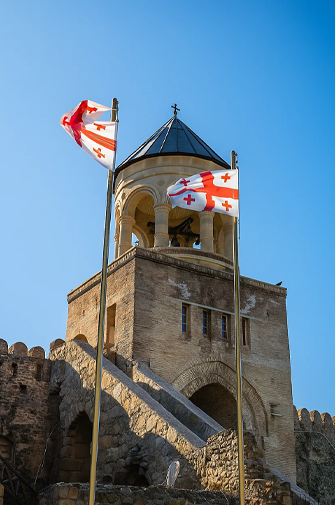
If you want to learn everything about studying in Georgia, you’ve come to the right place!
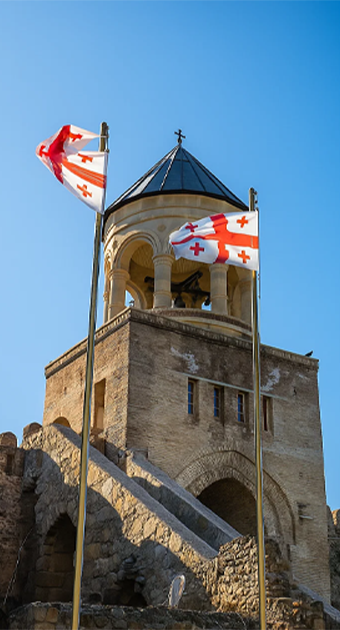
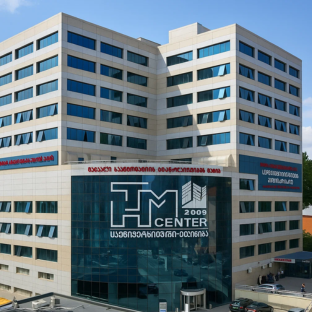
Georgia is becoming one of the most attractive study-abroad destinations for international students. Known for its affordable tuition fees, European-quality universities, multicultural lifestyle, and growing career opportunities, Georgia offers an excellent balance of quality education and affordability. Degrees from Georgian universities are recognized worldwide, especially across Europe and Asia.
Globally Recognised Degrees
Georgian universities follow international academic standards, with degrees recognised in Europe, Asia, and beyond.
Affordable Education & Living
Georgia offers lower tuition fees and living costs compared to many European countries, making it a top choice for budget-conscious students.
English-Taught Programs
Most popular programs (Medicine, IT, Business, and Engineering) are taught in English, making it easier for international students.
Safe & Student-Friendly
Georgia is considered a safe country with a welcoming culture, where students experience a rich mix of European and Asian traditions.
Tuition fees in Georgia vary depending on the program and university. Below is a general guideline:
| Study Program | Tuition Fee (per year) |
|---|---|
| Undergraduate Degree | $3,000 – $6,000 |
| Master’s Degree | $4,000 – $7,000 |
| Medical Programs | $4,500 – $8,000 |
| Doctoral Degree | $5,000 – $8,000 |
Most universities in Georgia offer two major intakes:
| Intake | Duration |
|---|---|
| Fall Intake | September – November |
| Spring Intake | February – April |
(Some institutions may also allow rolling admissions for specific programs.)
Georgia offers limited but growing scholarship opportunities through universities and government initiatives.
Merit-Based Scholarships – Awarded to academically strong students.
Performance Grants – For students who excel during their studies.
University Discounts – Some institutions provide fee reductions for international applicants.
At Abro Education, we help students find and apply for the best scholarship options available in Georgia.
Visa Process
Students must apply for a D-type (study) visa through the Georgian Embassy/Consulate in their country.
Required Documents
International students in Georgia can work part-time (with some restrictions) while studying. After graduation, students can explore:
Applying for universities, scholarships, and visas in Georgia may seem challenging—but we’re here to help!
At Abro Education Lahore, our expert consultants guide you at every step, from choosing the right program to securing your visa. Whether you’re aiming for undergraduate, postgraduate, or professional studies, we provide personalised support.
Don’t wait—schedule your free consultation today and start your study abroad journey in Georgia with Abro Education.
A study gap of up to 4–5 years is usually accepted if justified with work experience or further education.
Yes. While studying itself does not guarantee PR, students can transition to a work permit. After 5 years of legal residence, you may apply for permanent residency.
Yes, international students can work part-time (up to 20 hours per week) in certain approved sectors.
Students can usually work 20 hours per week during semesters and full-time during vacations.
Most universities require proof of English proficiency (IELTS, PTE, TOEFL, or equivalent). Some programs may not require tests if prior education was in English.
Typically, IELTS 5.5 – 6.0 (or equivalent in PTE/ELLT) is acceptable. Medical and technical programs may require higher scores.
Scholarships are applied directly through universities. Abro Education helps students choose and apply for the best available options.


WhatsApp us